Fewer moments of hesitation
An interface that makes someone pause before an important action is spending trust. I looked for the places where users slowed down and asked what the screen was making them compute.

Designing clearer and more trustworthy digital experiences in a high-trust financial environment.
Banking software punishes confusion more than most products, a user who hesitates at an important screen doesn't file a bug, they call the hotline or abandon the action. I worked on selected flows of a banking-oriented digital experience, making important actions easier to read and more predictable. Confidentiality limits what I can show, so this page shows the reasoning.
An interface that makes someone pause before an important action is spending trust. I looked for the places where users slowed down and asked what the screen was making them compute.
The same action should look the same everywhere. In banking, inconsistency doesn't read as sloppy. It reads as risky.
Financial screens are information-heavy by nature, and deleting information is rarely an option. The work is deciding what a user needs first.
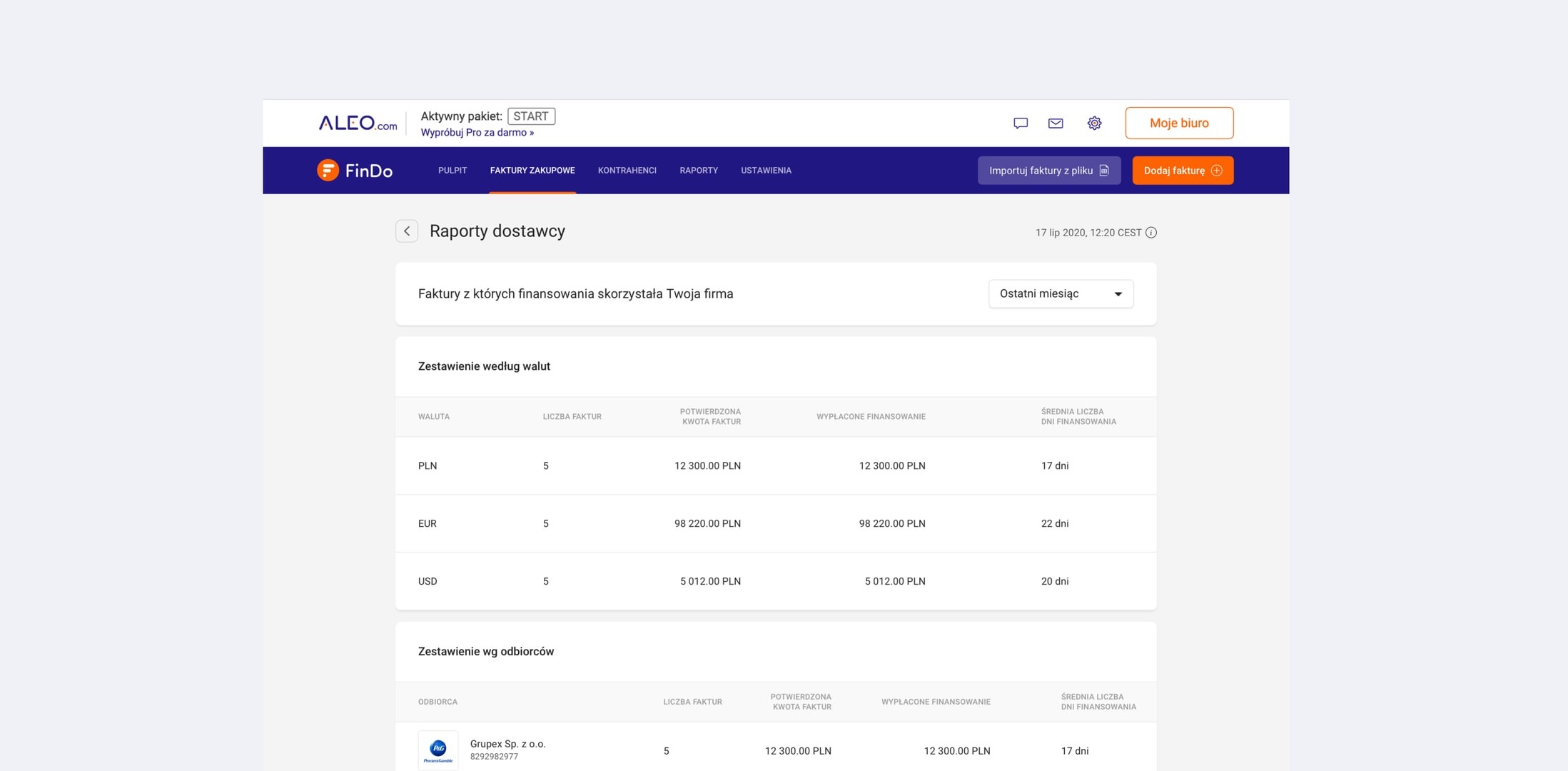
Trust doesn't form on the marketing page. It forms in the two seconds before someone confirms an important action, when the screen either answers their last doubt or doesn't. I design those moments first, what the user needs to verify, what the system says back, and what happens when something goes wrong. The happy path can be average. The confirmation and error moments can't.
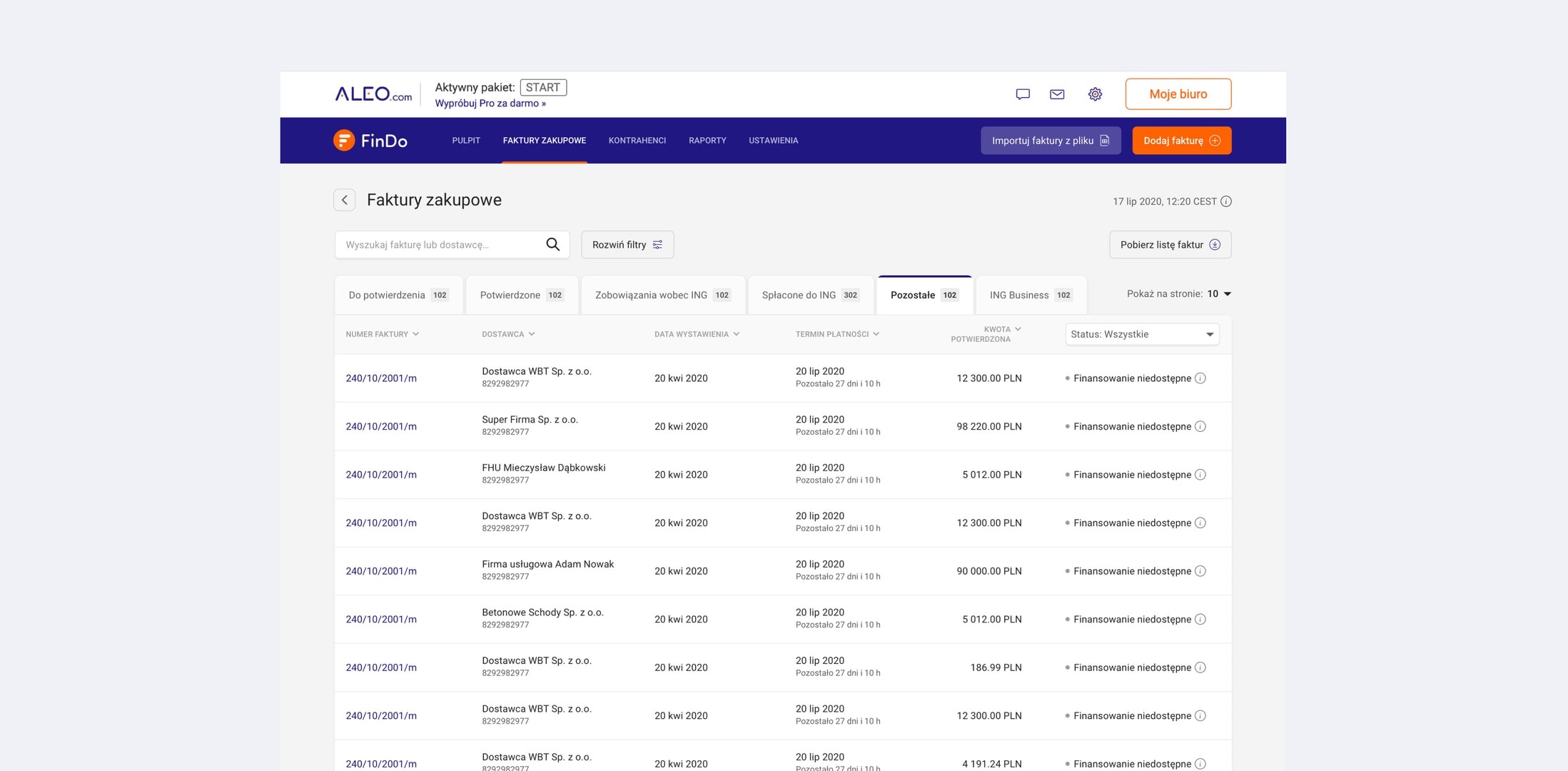
Business goals want every flow to also communicate something. Every extra message inside a money-related flow spends the user's attention at the moment it's most expensive. My default position, promotion lives before and after the flow, and the steps where users commit stay quiet. Holding that line in an organization is part of the design work, and it's done with arguments, one screen at a time.
The flows I touched read faster and behave more predictably. In this category that's most of the game, a user who always knows what just happened and what happens next is a user who stays.